
Fish vs. Fish Oil
The Considerations of Fish Oil Supplementation
Fish oil is renowned for its remarkable health benefits, particularly in the management of chronic inflammatory conditions, cognitive support, and cardiovascular diseases. As I’ve transitioned into clinical practice, I have observed a growing interest among clients in supplementing with fish oil. This prompted me to take a step back, research, and critically evaluate the differences between just eating fish vs supplementing with fish oil, as well as how to select the highest-quality fish oil available for my clients.
As a maternal and children’s health Naturopath, the benefits of supplementing with fish oil are an important consideration when creating treatment plans for my clients
Fish Oil in Pregnancy: Research-Backed Benefits
Supplementing with fish oil during pregnancy has been shown to offer several key benefits:
Reduced Risk of Preterm Birth: Studies indicate that fish oil supplementation can lower the risk of preterm birth (Reference).
Improved Fetal Brain Development: Research suggests that omega-3s from fish oil contribute to better brain development in fetuses (Reference).
Lowered Risk of Asthma in Babies: Supplementation can also reduce the likelihood of a baby developing asthma (Reference).
Decreased Postpartum Depression: Fish oil has been linked to a reduction in the risk of postpartum depression in mothers (Reference).
Fish Oil during Breastfeeding: Research- Backed Benefits:
Immune benefits
Fish oil supplementation may have immune benefits for infants. For example, high levels of DHA in breast milk are associated with higher infant IgA, an antibody class that is important in mucosal immunity (Reference.)Breast milk composition
Fish oil supplementation increases the levels of DHA and eicosapentaenoic acid (EPA) in breast milk. Therefore our babies are being nourished with an adequate dose of healthy Omega’s to support their development whilst breastfeeding (Reference.)
Fish Oil for Children’s Health: Research- Backed Benefits:
Brain function: Omega-3s have been shown to improve brain development, learning, and memory (Reference)
ADHD: Some studies show omega-3s can help with symptoms of ADHD, such as hyperactivity and inattention (Reference.)
Mood: Omega-3s can support and reduce risk of depression and mood disorders in children (Reference)
Allergies: Omega-3s can help reduce the risk of allergies in childhood (Reference)
The State of Seafood Consumption in Australia
Seafood plays a central role in Australian cuisine, yet a YouGov survey revealed that more than half of Australian adults consume less than the recommended amount of seafood. This highlights the potential need for supplementation in those individuals who may not regularly consume fish or seafood.
Understanding the Nutritional Content: Whole Fish vs. Fish Oil
Whole Fish:
Provides EPA, DHA, Vitamin D, Selenium, Protein, and a complete fatty acid profile.
Fish Oil:
Primarily contains EPA and DHA.
Potency of Whole Fish vs. Fish Oil:
The average adult requires at least 500 mg of combined EPA and DHA daily.
Sardines (per 100g): approximately 509 mg.
Rosita Cod Liver Oil Supplement: 417 mg (3 capsules).
Orthoplex BioActive Lipids: 600 mg (1 capsule).
Absorption:
Research shows that whole fish offers superior absorption of EPA and DHA due to co-nutrients that enhance bioavailability. A study by Visioli et al. (2001)demonstrated that DHA levels were nine times higher in individuals consuming salmon for six weeks compared to those taking fish oil supplements.
Sustainability and Environmental Impact
Whole Fish: Eat sustainably by consulting the GoodFish sustainable seafood guide.
Fish Oil: Look for certifications such as Marine Stewardship Council (MSC) or Friends of the Sea to ensure responsible sourcing.
As we can see from the above, incorporating more fish in the diet outweighs fish oil supplementation in terms of nutritional profile and absorption and the potency is equivalent to supplementation in most cases. But it’s important to consider when supplementation might outweigh just eating fish.
When to Consider Supplementation Over Dietary Fish
While consuming fish is ideal for obtaining omega-3s, supplementation may be more beneficial in certain situations, including:
Chronic inflammatory conditions
Cardiovascular health
Cognitive and mental health
Pregnancy and breastfeeding
Individuals who do not consume fish or seafood
When working on this journal post, I reached out to different practitioner grade fish oil companies within the Australian market and majority of them either didn’t reply or don’t give out Certificate of Analysis (which is essential third party testing ensuring environmental toxins, heavy metals, oxidation and fatty acid profile are all within the standard).
At this point I get reluctant to purchase or recommend their products. This is a standard practice procedure and if the product sits within the safe realms there is no reason why they wouldn’t provide it. How can I ensure the highest standards for my clients?
Selecting the Best Fish Oil: Key Considerations
1. Nutritional Composition:
When selecting a fish oil supplement, the EPA to DHA ratio is crucial, as it depends on the intended use:
For anti-inflammatory purposes, choose a higher ratio of EPA.
For cognitive support, select a higher ratio of DHA.
For those who do not consume seafood regularly, a 3:2 ratio of EPA to DHA is ideal, with a total of 500 mg–2g of omega-3 per day.
I recommend cod liver oil for general supplementation, as it offers a more whole food option due to the vitamin A and D found within it. However, for those with chronic inflammation or cognitive decline, higher-strength fish oil may be necessary.
2. Purity and Freshness:
Fish oil quality varies widely, and it is essential to ensure purity. Some companies fail to provide a Certificate of Analysis (COA), which verifies the absence of contaminants such as heavy metals and oxidation. This third-party testing is critical for confirming the safety and quality of the product.
To assess the purity of a fish oil supplement:
Confirm it has been third-party tested and is free from contaminants like mercury, lead, and PCBs.
Check for minimal excipients and additives. Liquid fish oil supplements generally contain fewer additives than capsules.
Consider the source of the fish; opt for cold-water fish from clean, well-managed oceans.
Choose fish oil derived from small fish, as they are less likely to accumulate toxins.
3. Freshness:
Rancid fish oil can have adverse health effects, especially when taken for therapeutic reasons. To ensure the fish oil remains fresh:
Check the expiration date.
Review the COA for “TOTOX,” a measure of oxidation; levels should be below 15 meq/kg for optimal freshness.
Brands I trust and recommend to clients
Brands such as Rosita Cod Liver Oil and Nordic Naturals provide transparency regarding testing, with Rosita offering COA results on their website and Nordic Naturals offering COA lookup by batch number.
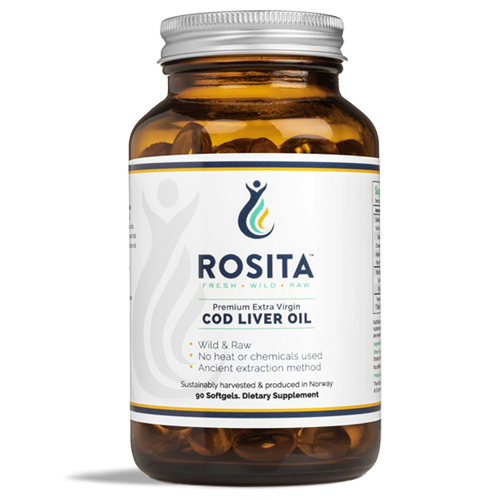
Rosita Cod Liver Oil is by far the best on the market in terms of next to no excipients*, solvents or additives.
*Excipients are inactive ingredients added to medications alongside the active ingredient to form the final dosage.
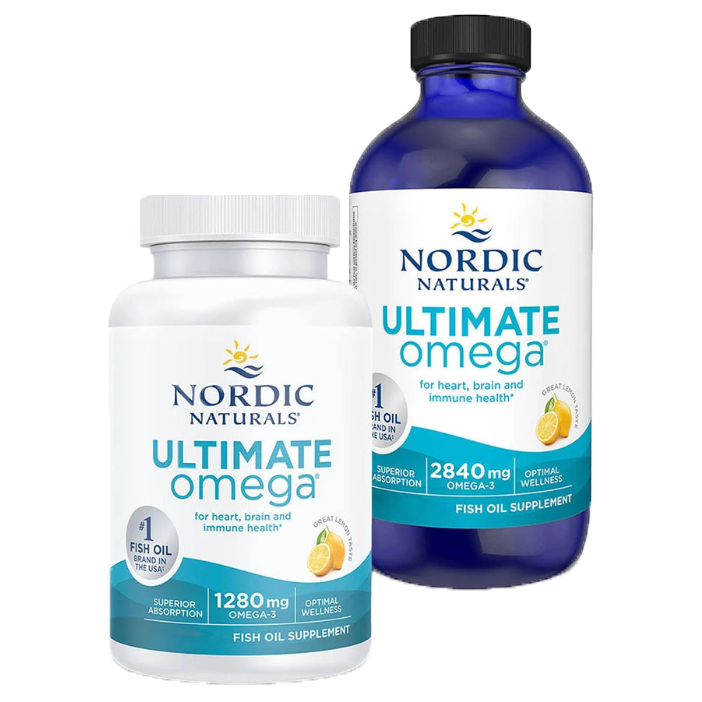
Nordic Naturals ticks all the boxes from a purity standard. There are a few excipients* in these blends but far less than most of the big brands on the market.
*Excipients are inactive ingredients added to medications alongside the active ingredient to form the final dosage.
Conclusion
In conclusion, fish oil supplementation offers numerous health benefits, particularly in supporting pregnancy, breastfeeding, children’s brain development, and managing chronic health conditions. While consuming whole fish is the optimal way to absorb omega-3s due to the presence of co-nutrients that enhance bioavailability, supplementation can be an important option for those who do not regularly eat seafood or need higher doses for specific health concerns.
However, selecting high-quality fish oil is crucial to ensure safety and efficacy. Consumers should prioritise fish oil products that are third-party tested, free from contaminants, and sourced from sustainable fisheries. Purity, freshness, and nutritional composition are key considerations when choosing a supplement. As a practitioner, it is essential to recommend only those products that meet the highest standards of quality to provide the best support for clients’ health and well-being.
Please note, I have no affiliation to any of the supplements mentioned in this post.